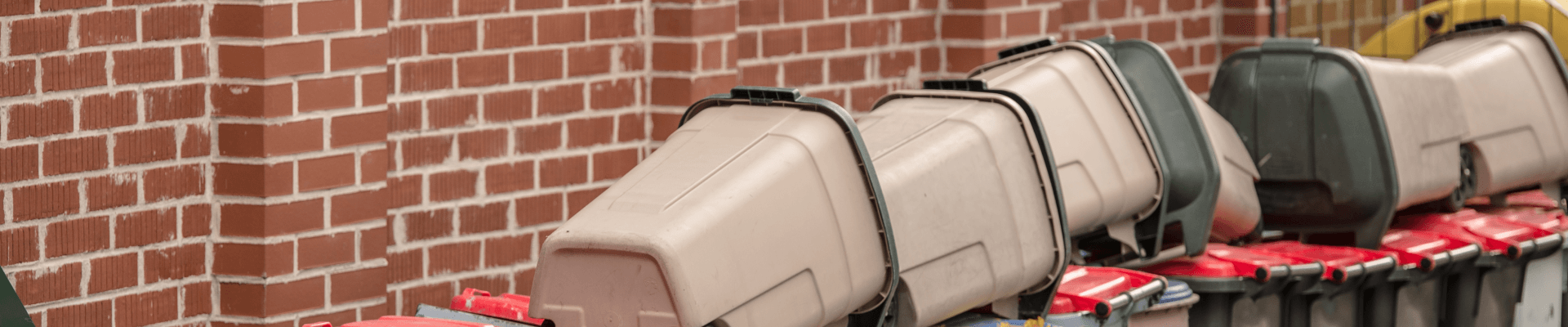

Understanding Biocycle Waste Management
Biocycle waste management focuses on the sustainable handling of organic waste. Organic waste comprises decomposable materials such as food scraps, yard waste, and other biodegradable materials. The goal of biocycle waste management is to convert this waste into useful products, thereby reducing landfill dependence and promoting recycling. This method not only minimizes environmental impact but also supports a circular economy.
The Importance of Recycling in Biocycle Processes
Recycling plays a pivotal role in biocycle waste management. By recycling organic materials, we can create compost that enriches soil, aids in plant growth, and reduces the need for chemical fertilizers. Additionally, the recycling process conserves natural resources and decreases greenhouse gas emissions. This sustainable approach ensures that waste materials are utilized efficiently, transforming potential pollutants into valuable resources.
Innovative Solutions for Enhanced Waste Management
With advancements in technology, innovative solutions for biocycle waste management are emerging. Communities are leveraging technologies such as anaerobic digestion and composting to process organic waste efficiently. These methods not only help in reducing waste but also in producing biogas and organic fertilizers. As biocycle waste management continues to evolve, it becomes increasingly important for industries to adopt sustainable practices that align with environmental guidelines.
Leave a Reply